So how could this work? Conventional wisdom is that climbing is basically Power/Weight. A light, powerful rider on a light bike will always climb better. Well, up to a point, Lord Copper ...
Some of you will know my Old Dawes. It's a nice bike, and with updates over the years it goes very well. Its fat tyres make it roll nicely and it has a decent turn of speed downhill. But it's a very poor climber. Once the Dawes is on a hill, your only real option is to change down and crank away. Even working very hard doesn't do much.

By contrast, my French Bike is a very good climber. It responds immediately to extra effort and will spring up a hill. On the face of it, it looks pretty similar, so why should the performance be so different?

Here's my analysis. The Dawes is made of good steel - Reynolds 631 - but is built as an 'Expedition Tourer'. That means that the heaviest gauge of steel is used, with particular emphasis on a stiff rear triangle to carry heavy loads. The French Bike is also good steel - Reynolds 853 - but is constructed of the lightest possible gauge. It rides very well, but is not up to carrying anything much. It's designed for a small bag on the front, and that's your lot.
The French put a lot of effort into this type of bike in the 1950s, the intention being to create a frame that acts as a spring, so that the rider compresses it while pulling up a hill, with the stored energy being released as the pedals go over centre, giving extra impetus. Sounds like baloney, but it works - and, interestingly, British frame builders never bothered with these ideas.
All right then, if this is such a good idea, why don't people do it now? The answer is that they do. Take a look at my Open special:
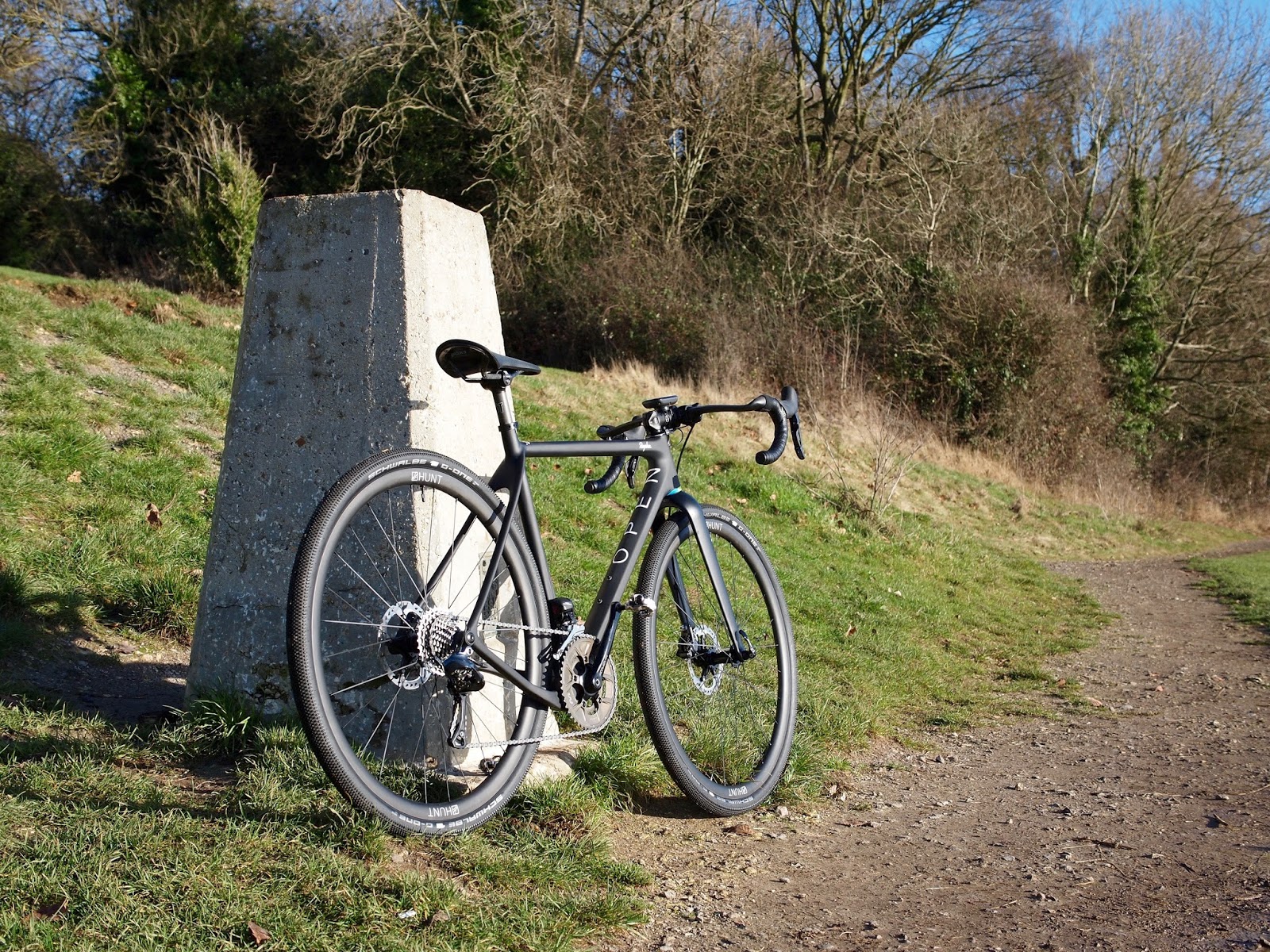
It's made of carbon fibre, and you'll see that it has very thin, flexible rear stays, a sharply tapered top tube to be stiff at the front and flexible at the back, and it's the best climbing bike I have ever ridden - and, as my Clubmates will attest, I've tried a few.
Looking at the weights, the Dawes weighs about 14 kilos, the French Bike 12 kilos and the Open 9 kilos. By taking off the bag and the rack I could get the Dawes to about 12 kilos, but I'm confident that this wouldn't make much difference to its climbing capability. I could bring the Open up to 12 kilos with a couple of bottles and a bag of sausage rolls on the handlebars. It would still beat the French Bike hands down.
So, my assertion is that frame design is an important element of a bike's ability to climb hills well. If your bike has a spring in its tail, it will climb better. Light weight is no harm, quite the reverse, but making the Dawes quite a bit lighter won't make it climb better.
Worth thinking about for your next bike - a frame with the right sort of springiness gives better performance uphill. If you need panniers, carry them on low-loaders at the front, and let the back of the bike work for you, rather than the other way round.
A Happy New Year to you all,
Mark


